



A selection of engineering projects spanning vehicle design, supersonic instrumentation, automotive manufacturing and continuous improvement — from initial requirements through design, testing and implementation.
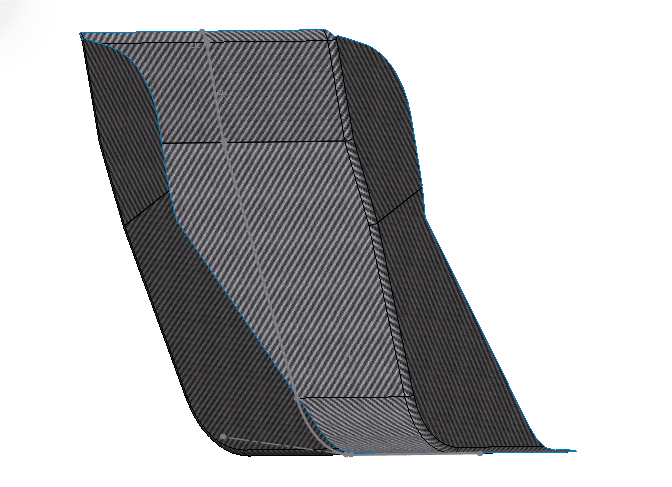
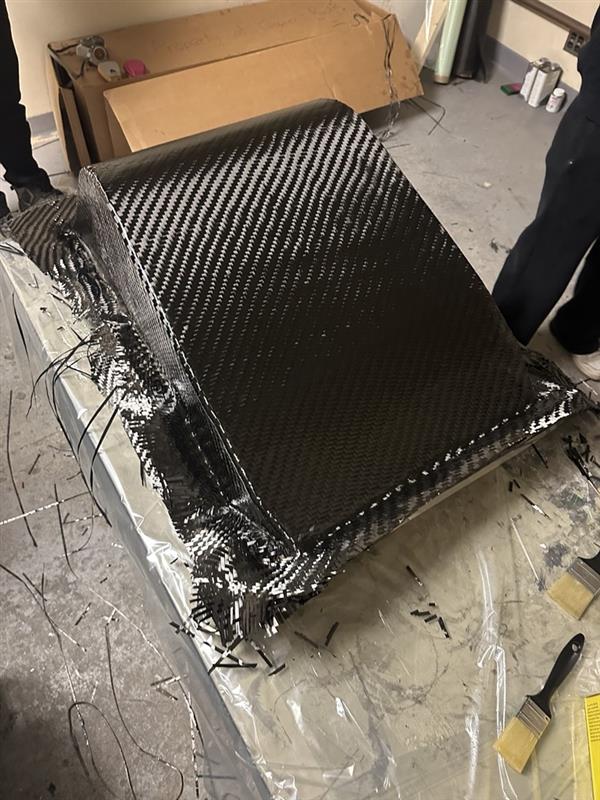
Designed and developed a custom driver seat for the Queen's Racing Formula SAE car, balancing ergonomics, driver support, packaging, weight and manufacturability.
My work focused on translating driver and vehicle requirements into a physical component that could integrate effectively within the cockpit while providing secure and consistent driver positioning.
I contributed to the seat design and development process, including fit and ergonomic considerations, CAD, packaging, mounting and manufacturing. Driver feedback was incorporated throughout the process to refine the design and take the concept toward a functional, race-ready component.
Developed a prototype Pitot tube system for the Queen's Rocket Engineering Team, designed to support aerodynamic measurements while remaining compatible with the rocket's construction and operating environment.
The system required consideration of the aerodynamic and structural demands associated with supersonic flight, while also accounting for material compatibility, manufacturability and integration with the rocket.
My primary contribution was CAD development. I worked on component geometry, refinement and integration, translating the team's design requirements into a detailed model while considering practical manufacturing and assembly constraints.
The project produced a detailed design for a Pitot tube system intended for a final application at speeds up to Mach 2.5, with consideration given to sensor placement, rocket integration and high-speed aerodynamic conditions.

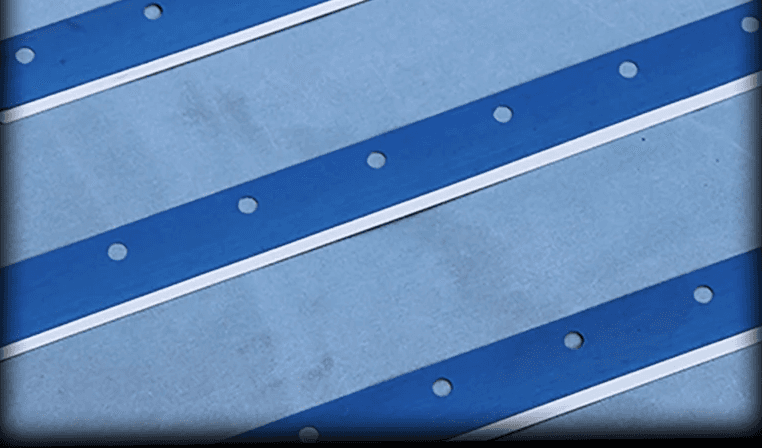
Conducted a comparison between coated spring steel and stainless steel squeegee blades to evaluate solder paste printing performance for small 0201 SMT components.
I supported the comparison by evaluating print performance and consistency between the blade configurations. Production results were analyzed to determine which configuration provided stronger performance for the target components.
The selected configuration increased printing performance for 0201 components by approximately 10%, providing a data-driven basis for improving the SMT printing process.
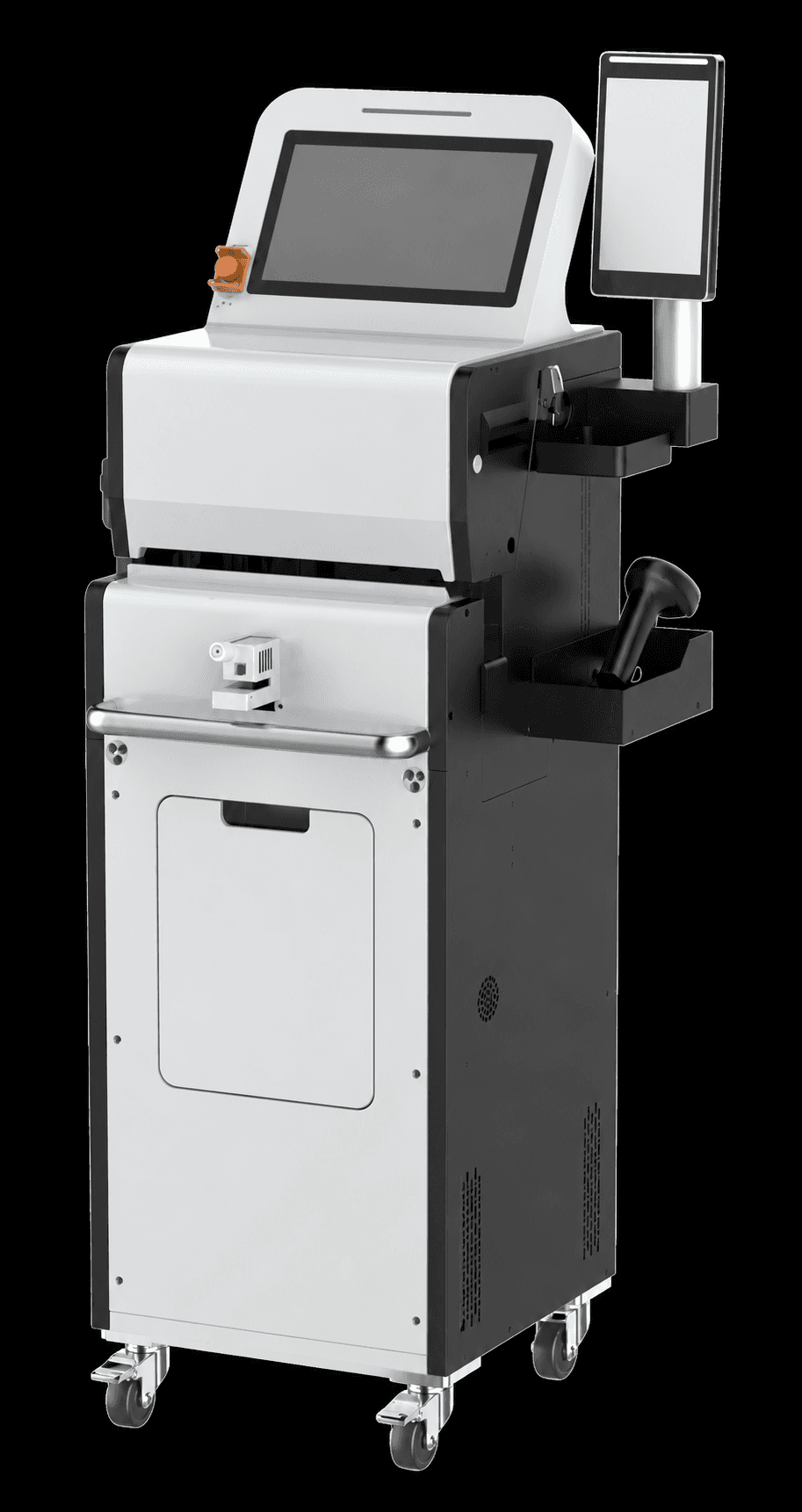
Supported the implementation of an automatic splicing machine within SMT production, helping integrate the equipment into regular operator workflows across all three production shifts.
I worked with operators and engineering personnel to identify usability challenges during implementation and made modifications to improve operator ease of use, accessibility and integration with the production environment.
The implementation supported more consistent use of the equipment across shifts while improving the practical operator experience and helping integrate the machine into the existing SMT process.
See how my engineering experience extends into Formula SAE, race engineering, vehicle setup, telemetry and driver performance.